
Is My Roof Good for Solar in Laredo TX?
Most roofs can support solar in some form, but orientation, shade, age, material and layout all affect how much a given roof can actually produce and what the installation will involve. Here's what a site assessment actually looks at.
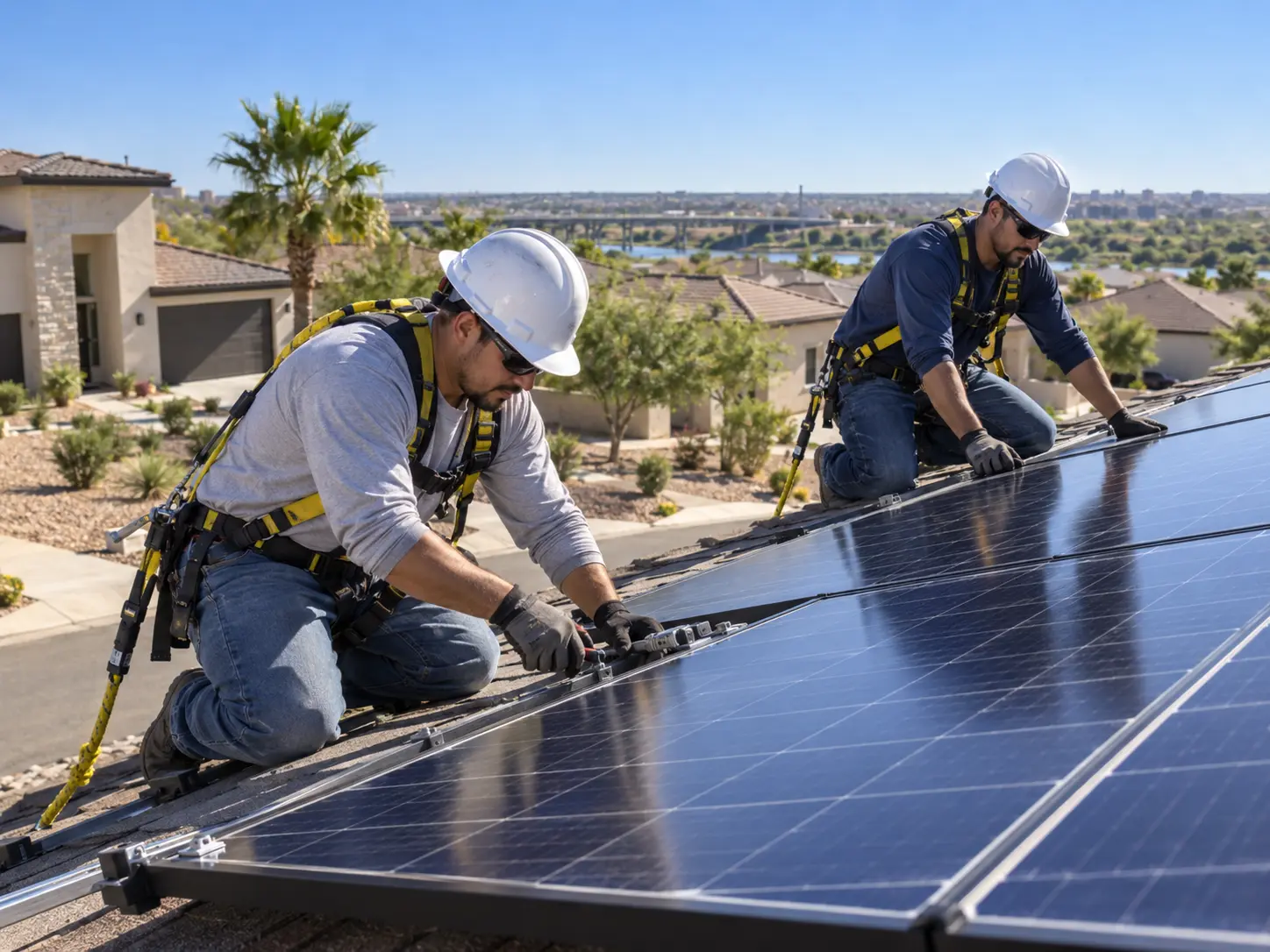
"Is my roof good for solar" is really several separate questions bundled together: which way does it face, how much usable space is available, is anything shading it, is the roofing material and structure sound enough to mount hardware on, and how long does the roof itself have left before it needs replacement. A proper site assessment answers each of these individually rather than giving a single yes-or-no answer, because a roof can be excellent on some of these factors and limited on others.
Orientation
The direction a roof plane faces determines how much direct sun it receives through the day. South-facing planes tend to see the most consistent exposure. East-facing planes catch more morning sun and west-facing planes more afternoon sun — either can still contribute meaningfully to a system, sometimes in a design that intentionally spreads panels across more than one plane to better match when your home actually uses electricity. North-facing roof area is the least favorable and is often the last choice when other orientations are available.
Usable Roof Area
Total roof area and usable roof area are different numbers. Usable area subtracts required setbacks from ridges and edges, space around obstructions, and any section that's persistently shaded. The larger the usable area, the larger a system a roof can physically support — which connects directly to questions covered on our solar panel cost page, since system size is a major cost driver.
Shade
Trees, neighboring buildings, chimneys, roof-mounted equipment and even nearby utility poles can cast shadows that move throughout the day and change across seasons. Shading matters more than people often expect, because with some inverter architectures, shading on part of a single panel can reduce output for an entire string of panels, not just that one panel. A shading analysis during the site assessment identifies problem areas and can inform both panel placement and inverter selection.
Roof Age and Condition
A roof near the end of its expected service life is a weak candidate for a new solar array, since reinstalling panels after a later roof replacement is an avoidable extra project. Beyond age, existing issues like active leaks, damaged decking or deteriorated flashing should be addressed before, not after, panels go on.
Roof Material
Asphalt shingle, standing-seam metal, exposed-fastener metal and tile each use a different mounting approach. Standing-seam metal often allows clamp-based attachment without new roof penetrations. Shingle uses flashed penetrations integrated with the existing roofing courses. Tile requires tile hooks or replacement flashing tiles and generally more careful, slower work. None of these materials rules out solar, but each changes labor and mounting hardware.
Not sure how your roof stacks up?
A site assessment measures your actual roof planes, shading and condition rather than guessing from a satellite photo.
Pitch
A moderate roof pitch is typically the easiest to work with for both mounting and water drainage around the array. Low-slope or flat roofs can still support solar, usually with tilted racking that angles panels independently of the roof surface. Steep pitches can add labor time and safety planning during installation without necessarily preventing the project.
Obstructions
Plumbing vents, HVAC units, skylights, chimneys and satellite dishes all take up roof area and can force a layout around them, reducing how many panels fit on a given plane. A site assessment maps these out specifically rather than assuming a roof plane is fully open.
Structural Considerations
Roof framing needs to be sound enough to carry the additional weight of panels, racking and attachment hardware, and attachments need to land in structural members such as rafters or trusses. On most standard residential construction this is straightforward, but older structures or unusual framing may need closer review, sometimes with a structural engineer's input, before a layout is finalized.
Future Roof Replacement
If a roof replacement is likely within the next several years, it's worth sequencing that work ahead of solar rather than after. Removing and reinstalling an existing array is a distinct project with its own cost and a period of lost production. Our page on solar panel removal and reinstallation covers what that process involves if it does become necessary.
Panel Placement
Final panel placement balances all of the above: prioritizing the best-oriented, least-shaded, most structurally straightforward roof area first, working around obstructions, and respecting required setbacks and rapid-shutdown zoning, to arrive at a layout that fits the target system size within the roof's real usable area.
Every roof is different, and the factors above interact with each other — a roof with excellent orientation but heavy shading may perform worse than a roof with average orientation and no shading at all. A site assessment is the only reliable way to know how your specific roof scores across all of these factors together.
What a Roof Site Assessment Typically Checks
- Orientation and pitch of each usable roof plane.
- Measured usable area after setbacks and obstructions.
- Shading from trees, structures and rooftop equipment across the day and seasons.
- Roof age, material and visible condition.
- Structural framing and attachment points.
- Existing obstructions such as vents, skylights and HVAC equipment.
- Anticipated timeline for roof replacement, if any.
- Preliminary panel layout and estimated system size that fits the roof.
Roof Suitability FAQs
Does my roof need to face a specific direction for solar to work?
South-facing roof planes generally see the most consistent sun exposure through the day in the northern hemisphere, but east- and west-facing planes can still produce meaningful electricity, sometimes with a design that spreads panels across multiple planes to better match your home's usage pattern. A north-facing plane is the least favorable orientation and is often avoided or used only if no better option exists.
How much roof area do I actually need for a solar system?
The usable area needed depends on the target system size and the wattage of the panels chosen — higher-wattage panels need less area for the same output. A site assessment measures actual usable area on each roof plane, subtracting setbacks, obstructions and shaded sections, to determine how large a system your roof can support.
What counts as shading that matters for solar?
Trees, neighboring structures, chimneys, roof vents, HVAC equipment and even nearby power poles can cast shadows across part of an array at certain times of day or times of year. Partial shading on even one panel in a string can reduce output for the whole string with some inverter types, which is one reason inverter choice and shading analysis go together.
How old can a roof be and still be a good candidate for solar?
There's no fixed cutoff, but a roof nearing the end of its expected service life is a poor candidate for a new array, because removing and reinstalling panels later to replace the roof underneath is a separate, avoidable cost. If your roof is more than roughly halfway through its expected life, get a roofing assessment before finalizing a solar layout.
Does roof material affect whether solar will work?
Asphalt shingle, standing-seam metal, exposed-fastener metal and tile can all support solar, but each uses a different mounting method with different labor and cost implications. Standing-seam metal is often considered favorable because clamps can attach without new penetrations. Tile requires more careful, labor-intensive work. Very old or deteriorating roofing of any material is a separate concern from the material itself.
What roof pitch works best for solar panels?
A moderate pitch is generally easiest to work with for both installation and drainage around the array. Very low-slope or flat roofs can still support solar, often using tilted racking to angle panels toward the sun, while very steep pitches can add labor complexity and safety considerations during installation.
What if I need to replace my roof a few years after installing solar?
Panels and racking can be removed and the roof replaced underneath, then the array reinstalled, but this is a distinct project with its own labor cost and a temporary loss of production. If a roof replacement is likely within the next several years, it's generally more efficient to replace the roof first. See our page on solar panel removal and reinstallation for how that process works.
Can rooftop equipment like vents or skylights be worked around?
Yes, in most cases. A layout can be designed around fixed obstructions like plumbing vents, skylights, chimneys and HVAC equipment, though each obstruction reduces the usable area available for panels and can affect the overall system size that fits on a given roof plane.
Related Solar Resources
- Solar Panel InstallationHow mounting and roof work is actually done.
- How Home Solar Panels WorkThe full system chain from panel to home.
- Solar Panel Removal & ReinstallationWhat's involved when a roof needs replacing later.
- Solar Panel Cost in Laredo TXHow roof type and complexity affect price.
- Solar System InspectionChecking an existing roof-mounted system's condition.
Want a real assessment of your roof? Request a solar quote or call 956-395-1662.
Ready to Explore Solar for Your Property?
Start with a quick quote request and provide a few details about your property and current electricity use.