
Solar System Inspection Laredo TX
A system inspection is a documented condition review of an existing solar array — equipment, wiring, racking and production data — useful before a home purchase, after a storm, or simply to establish a clear baseline.
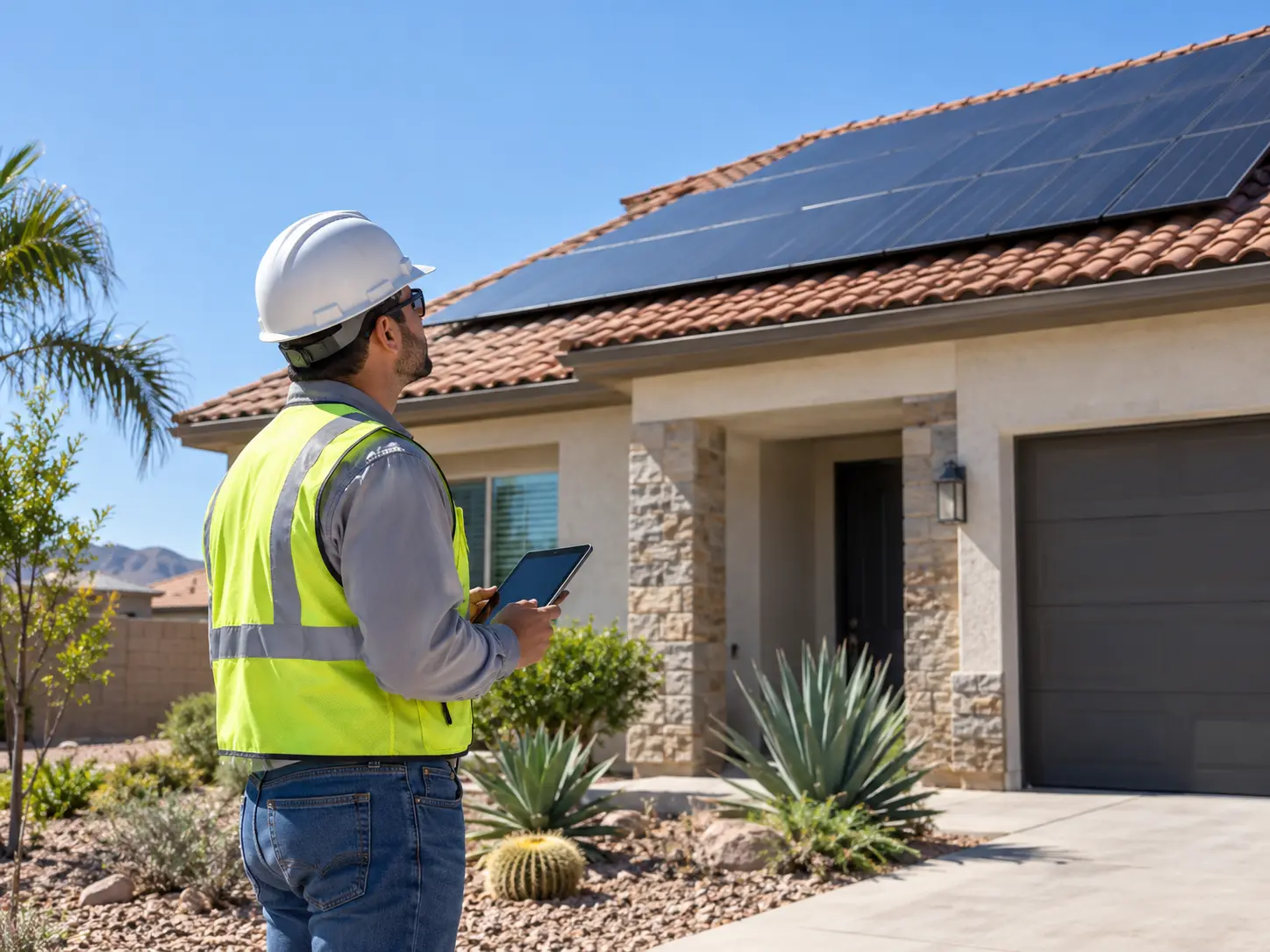
Not every solar concern starts with an obvious symptom. Sometimes an owner simply wants to know the actual condition of a system — whether it was recently purchased with a home, hasn't been reviewed in years, or came through a storm without visible damage but with an unclear performance picture. A system inspection is built for exactly that scenario: a structured review that produces documentation, not just an opinion.
An inspection differs from ongoing maintenance, which is routine and recurring, and from repair, which responds to a specific known fault. It's often the right starting point when you don't yet know what, if anything, is wrong.
Common Reasons to Request an Inspection
- Purchasing a home with an existing solar array already installed.
- Preparing to sell a property and wanting documentation of system condition.
- No record of any professional review since the original installation.
- Production that seems lower than expected but without a clear fault code.
- After a storm, even without obvious visible damage.
- Considering an expansion or battery addition and wanting a baseline condition check first.
What an Inspection Typically Covers
- Documentation review. Checking for existing permits, interconnection approval and original system specifications, where available.
- Production data review. Comparing available monitoring history against expected performance, if design data exists.
- Rooftop inspection. Module condition, racking hardware, flashing and visible wiring.
- Electrical checks. Inverter operation, disconnects, and connections at the electrical panel.
- Monitoring system check. Confirming the gateway is online and reporting correctly.
- Written report. A documented summary of findings with recommended follow-up, if any.
Need a clear picture of an existing solar system's condition?
Whether you're buying, selling or just want a baseline check, share your system details to schedule an inspection.
What's Reviewed on the Equipment Side
- Modules. Visible condition, cracking, discoloration or signs of hot spots.
- Racking and attachments. Hardware tightness, flashing condition and structural attachment integrity.
- Inverter. Operational status, fault history and general condition.
- Wiring and disconnects. Accessible connections, conduit condition and safety disconnects.
- Electrical panel interconnection. Confirming the solar circuit connection is secure and correctly labeled.
Factors That Affect Inspection Scope and Cost
- System size and number of modules to review.
- Roof height, pitch and access requirements.
- Availability of original documentation and design data.
- Whether the inspection is a general condition review or targeted at a specific concern.
- Whether a written report is needed for a real estate transaction timeline.
For pricing context across solar services generally, see solar panel cost in Laredo.
Questions to Ask an Inspector
- What specifically will be checked during this inspection?
- Will I receive a written report, and what will it include?
- Can you review existing permit and interconnection documentation?
- How will you assess production against expected performance?
- What happens if you find an issue that needs immediate attention?
- How soon can a report be delivered if I'm on a real estate timeline?
Helpful Information to Gather First
- Any original installation paperwork or permits you have access to.
- Login access to the system's monitoring app or portal.
- Recent utility bills showing your electricity usage and any credits.
- Notes on any known issues, error codes or concerns.
- Approximate age of the system if known.
- Reason for the inspection — purchase, sale, storm, or general review.
How an Inspection Visit Runs
- Step 1
Intake
Gathering system history, documentation and the reason for the review.
- Step 2
On-site review
Rooftop, electrical and monitoring checks across the system.
- Step 3
Data comparison
Reviewing production history against available expectations.
- Step 4
Report
A written summary of condition and any recommended next steps.
Ready to compare solar options for your property?
Share a few details about your roof and current electricity use to start a property-specific quote request.
Solar System Inspection FAQs
When should someone get a solar system inspected?
Common triggers include buying a home with an existing solar array, production that seems lower than expected, no recent history of any professional review, preparing to sell a property with solar, or after a storm event even if no damage is immediately visible.
How is an inspection different from maintenance or a repair visit?
An inspection is a broader, often one-time condition review meant to document how the whole system is performing and holding up. Maintenance is routine, recurring upkeep. Repair addresses a specific known issue. An inspection can lead to either, depending on findings.
What if I'm buying a home with solar already installed?
An independent inspection before or shortly after purchase can document system age, equipment condition, whether documentation like permits and interconnection approval exists, and whether the array is performing as represented. This is separate from a general home inspection, which often does not evaluate solar-specific equipment in depth.
Does an inspection include getting on the roof?
Typically, yes, for a thorough physical review of module condition, racking and visible wiring, in addition to ground-level and electrical panel checks. Some limited inspections may be conducted primarily through monitoring data and ground-level observation if roof access isn't feasible.
Will I get something in writing?
A proper inspection should produce a written report documenting what was checked, the condition found, and any recommended follow-up — useful for your own records, for a home sale, or for deciding whether to pursue repair or maintenance work.
Can an inspection confirm how a system is actually performing?
An inspection can compare current production data against the system's original design expectations, if that information is available, and check for equipment issues that could explain any gap. Without historical design data, an inspector can still assess equipment condition and current output, but a performance comparison is more limited.
Related Solar Resources
- Solar Panel MaintenanceOngoing routine upkeep after a baseline inspection.
- Solar Panel RepairAddressing issues an inspection uncovers.
- Solar Panel Removal & ReinstallationWhen roof work requires the array to come off.
- Solar Panel Cost in Laredo TXCost variables across solar services.
- Solar Savings CalculatorModel production, offset and savings.
Need a condition review of an existing system? Request an inspection or call 956-395-1662.
Ready to Explore Solar for Your Property?
Start with a quick quote request and provide a few details about your property and current electricity use.